The Reformation meets strong resistance
The Reformed, being a minority, were compelled to leave Limoges and take refuge in Confolens and Uzerche.
Even after the Edict of Nantes, it was not until 1630 that Limoges finally obtained a pastor. Protestant churches were established in Corrèze at Beaulieu-sur-Dordogne, Argentat and Turenne, a stronghold of the La Tour d’Auvergne family, who for a time aligned themselves with the Reformation. Eustorg de Beaulieu served there as a preacher before going into exile in Geneva.
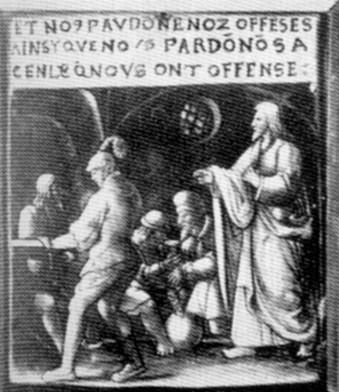
The Huguenot Colin Noylier, a Limousin enamel painter and author of grisaille style enamelled plaques illustrating the Our Father by Pierre Bourguet, was the forebear of a dynasty of Limousin enamel artisans that continued into the eighteenth century.
After the Revocation, the pastor of Turenne returned from Holland, where he had taken refuge, and preached clandestinely in France for six years.
At the time of the Revolution, the number of Protestants in Limousin was negligible.
It was only in the second half of the nineteenth century that Protestantism re-emerged in Haute-Vienne, at Limoges, Villefavard and Madranges.