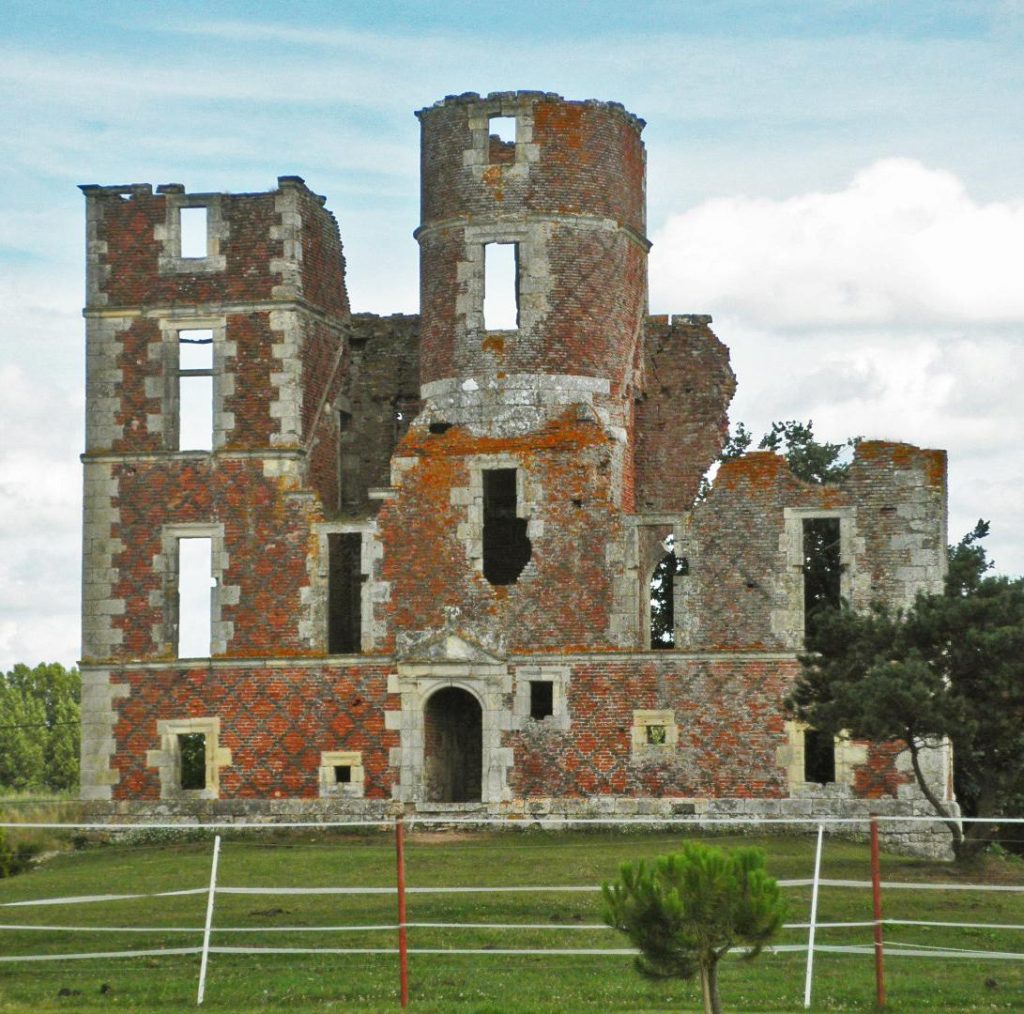
Château de l’Isle, Saint-Denis-en-Val (five kilometres from Orléans)

The ruins of the Château de l’Isle at Saint-Denis-en-Val in the Loiret © Bourdon Blanc/Wikimedia Commons

In 1530, Jacques Groslot built the Château de l’Isle on the now vanished Île aux Bourdons, situated within the enclave of the parish of Chécy. In 1535, King Francis I of France authorised Groslot to construct a drawbridge.

This residence, listed as a historic monument, served as a country house, a refuge, and a place of Huguenot preaching for the Groslot family. Built during the same period as the Hôtel Groslot in Orléans, it became one of the principal sites of Protestant memory in the region during the Wars of Religion, before being destroyed by a flood of the Loire in 1866.

His son, Jérôme Groslot, Bailiff of Orléans, took part in the struggles for the triumph of the Reformation by opening his château to his fellow Protestants. In 1570, condemned for treason, Jérôme Groslot nevertheless received authorisation from Charles IX to hold Protestant sermons within the Château de l’Isle. He perished in Paris during the St. Bartholomew’s Day Massacre in 1572.

The Château de l’Isle was also the scene of the massacre of Huguenots from Orléans.
Associated notes

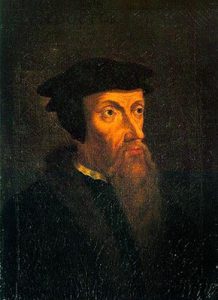
Jean Calvin (1509-1564)

A generation after Luther, the Frenchman Jean Calvin became the organiser of the Reformation : he organised the Church, shaped the doctrine and defined the role of the Church in state government.
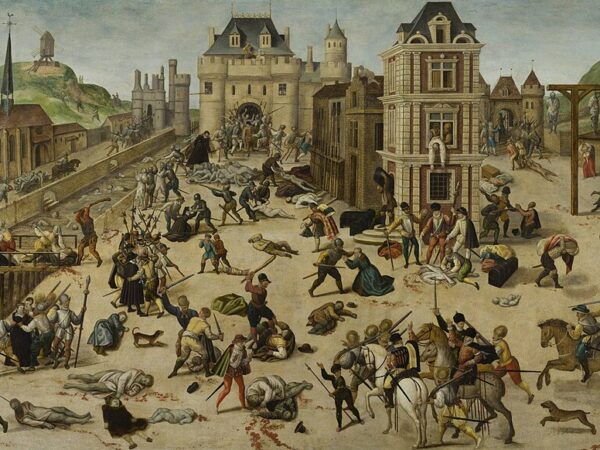
Saint-Barthélemy à Paris (1572) par François Dubois

St. Bartholomew’s Day (24th August 1572)

Charles IX had tried to reconcile the two religious parties, but when this failed, he was driven by the Guise family to authorize the Catholics to assassinate the Protestant leaders; the situation...

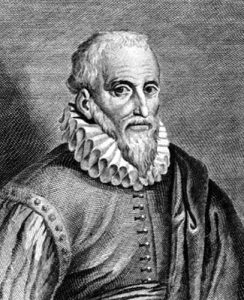
Ambroise Paré (1509-1590)

Initially an army surgeon, he made discoveries in such fields as anatomy, physiology and therapeutics.

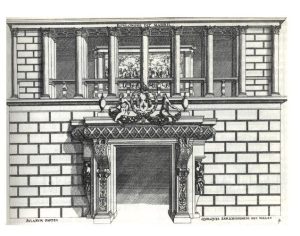
Jacques I Androuët du Cerceau (before 1520-1585 or 1586)

The influence of his many publications on architects was immense. He refused to convert to Catholicism despite his attachment to the King of France.
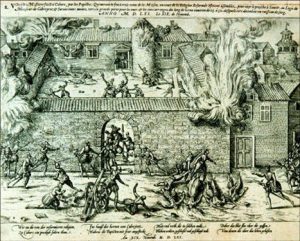
Das Massaker in Cahors, Quercy 19.November 1561)

The eight wars of religion (1562-1598)

In the 16th Century, France was to know a religious split : the great majority of the country remained faithful to Catholicism, whilst an important majority joined the Reformation. Coexistence of...
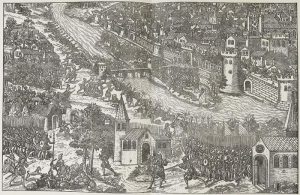
Le Siège d'Orléans, février 1563

Le Siège d’Orléans (février 1563)

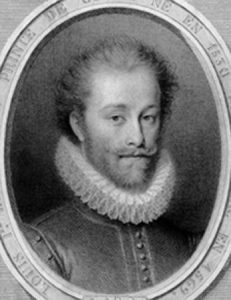
Louis de Condé (1530-1569)

Louis de Condé descended from Louis IX (Saint Louis) was the Protestant leader during the first three Wars of Religion, until the battle in Jarnac where he was wounded and...
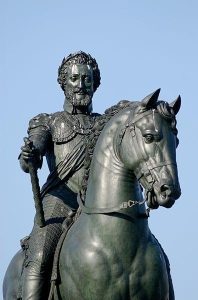
Statue équestre d'Henri IV

Henri IV et la conquête du royaume (1589-1598)

En 1589, Henri de Navarre succède à Henri III sous le nom d’Henri IV. Mais la Ligue catholique, menée par les Guise, ne reconnaît pas son autorité. Pour Henri IV,...