Vitré
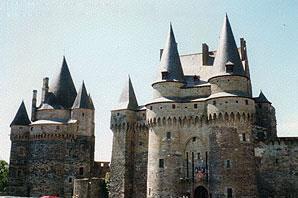
Vitré, together with Blain and La Roche-Bernard, was one of the three Breton towns held by Protestants during the sixteenth century, and remained the only one in their possession at the end of the Wars of Religion. The château is one of the finest fortresses in Brittany. Its construction began in the eleventh century and continued through the thirteenth, fourteenth, and sixteenth centuries. It belonged to Renée de Rieux, sister-in-law of François d’Andelot, who converted to Protestantism in 1558.
In the sixteenth century, the town prospered through the cloth trade. From that time, Vitré possessed a flourishing Protestant college.
A national synod of the Reformed Churches was held there in 1583.
During the Wars of the League, the town was besieged by the troops of the Duke of Mercœur from 21 March to 14 August 1589. It was narrowly saved by the arrival of the army of the new governor appointed by Henry IV.
In 1590, the town escaped a plot by the Duke of Mercœur thanks to the composure and boldness of its defender, Raton de Brissac.
The Protestant Church of Vitré continued to develop until the Revocation. The Reformed, who were among the most influential members of the town, then represented 10 per cent of the population.
Rennes
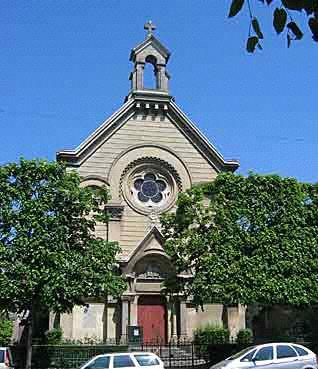
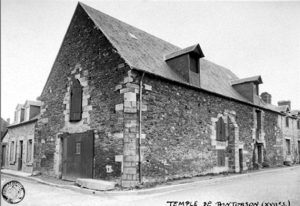
After the Edict of Nantes, the Protestant community gathered at Cleusné, a league from the town. The temple at Cleusné holds the unhappy distinction of having been set on fire four times by the populace, each time rebuilt until its final demolition in 1685.
The present Reformed church was rebuilt in 1872 and is situated at 22 Boulevard de la Liberté.
Ercé-près-Liffré
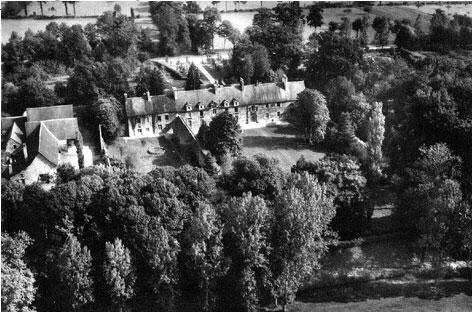
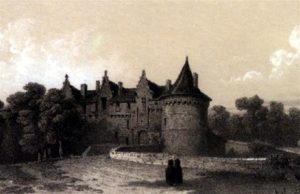
This was the stronghold of the Montbourcher de Bordage family, who had converted to Protestantism. The rural church surrounding the Château du Bordage was one of the few to include a number of peasants in the seventeenth century.
Saint-Malo
The maritime citadel of Saint-Malo was consistently hostile to Protestants. In the sixteenth century, the bishop and the governor pursued heretics relentlessly. For several years, worship was held three leagues away, at Plessis-Bertrand, on the estate of Christophe de Chateaubriand, until his death at Jarnac.
From 1682 onwards, the corsair city became a port of embarkation for Protestants fleeing to the countries of the Refuge via the nearby island of Jersey. However, if they were apprehended, they were imprisoned in the château or in convents and subjected to intense pressure to make them recant. The most resolute were condemned to the galleys.
Château de Combourg
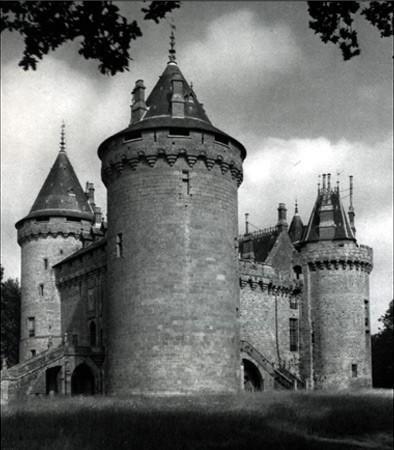
Not far from Saint-Malo stands the Château de Combourg, immortalised by Chateaubriand. In 1566, it was the property of François d’Acigné, Lord of Montjean, who had converted to Protestantism. It was at the Château de Combourg that the romance between his niece, Claude du Chastel, and Charles Gouyon de la Moussaye began. Through this marriage, the Catholic Gouyon de la Moussaye family became Protestant.