Captain of Industry
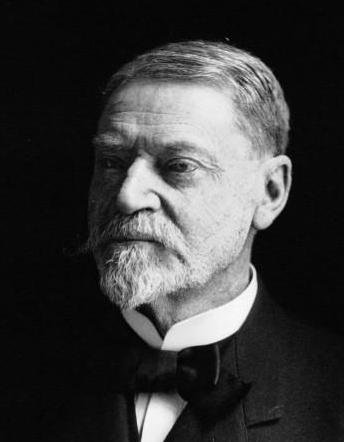
Jules Siegfried was born in Mulhouse in 1837 and died in Le Havre in 1922. He interrupted his studies at the age of thirteen in order to work as an apprentice in his father’s trading house, where he learned the cotton trade by working through every department.
In 1861, the American Civil War began and Europe experienced what became known as the “cotton famine”. Jules travelled to the United States, where he even met Lincoln, and later, with his brother Jacques, went to India, to Bombay. There they established a cotton trading house to supply Mulhouse. Upon returning to France, the two brothers founded a trading company in Mulhouse and Le Havre, Siegfried frères, which became the Compagnie cotonnière in 1870. The brothers amassed a considerable fortune. They were also behind the creation, in 1866, of the École Supérieure de Commerce in Mulhouse, which closed in 1872 but served as a model for similar institutions in Rouen, Lyon, and Le Havre. Jules Siegfried’s political career in Le Havre began in 1871.
In 1869, Jules Siegfried married Julie Puaux, daughter of the pastor of Luneray, François Puaux. The couple were animated by a profound faith directed towards action in the service of others. They shared the same ideal: improving the condition of the working classes, both materially and morally. Jules authored a work entitled La Misère, son histoire, ses causes, ses remèdes (“Poverty: its history, causes and remedies”), in which he set out his social ideas.
Jules Siegfried, a Reforming Mayor
From 1871 onwards, Jules Siegfried served as a municipal councillor in Le Havre and later as mayor from 1878 to 1886. In 1886, he was elected deputy, and, apart from a brief interruption as senator (he had failed to be re-elected as deputy because of his Dreyfusard views), he remained deputy for Seine-Inférieure from 1886 to 1897, and again from 1902 to 1922.
From the outset, education formed the principal field of Jules Siegfried’s municipal action. During his tenure, he oversaw the construction of thirty secular schools (even before the Jules Ferry laws), while also taking an interest in the recruitment of teachers, pupil hygiene, and vaccination programmes.
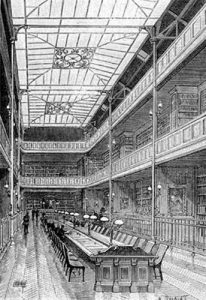
He established public libraries and, in 1885, one of the first secondary schools for girls in France. Urban hygiene also occupied much of his attention. He multiplied public bathhouses and dispensaries and founded a hospital. He also equipped the city, an unprecedented initiative, with a Municipal Hygiene Office. His wish for the creation of a national Ministry of Public Health would only be fulfilled many years later.
The sanitation works he initiated in Le Havre were not continued by his successor. The field with which his name remains most closely associated, however, is social housing. In Le Havre, he founded a private company dedicated to the construction of affordable housing, but once he became a minister and sought to extend this policy nationally, he realised that private initiative alone was insufficient and that public authorities needed to intervene financially. The Siegfried Law of 1894 on Habitations à Bon Marché (low-cost housing) laid the foundations of a national social housing policy.
Julie Siegfried, a Feminist in the Service of Women
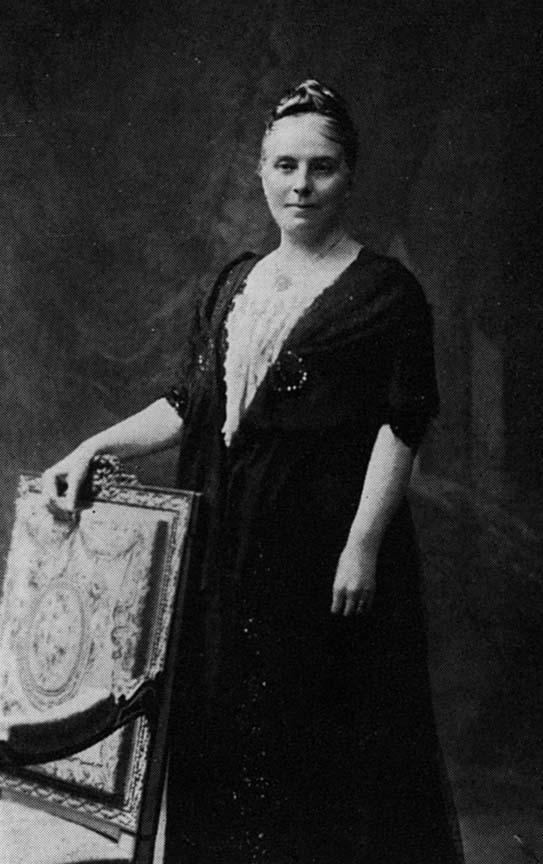
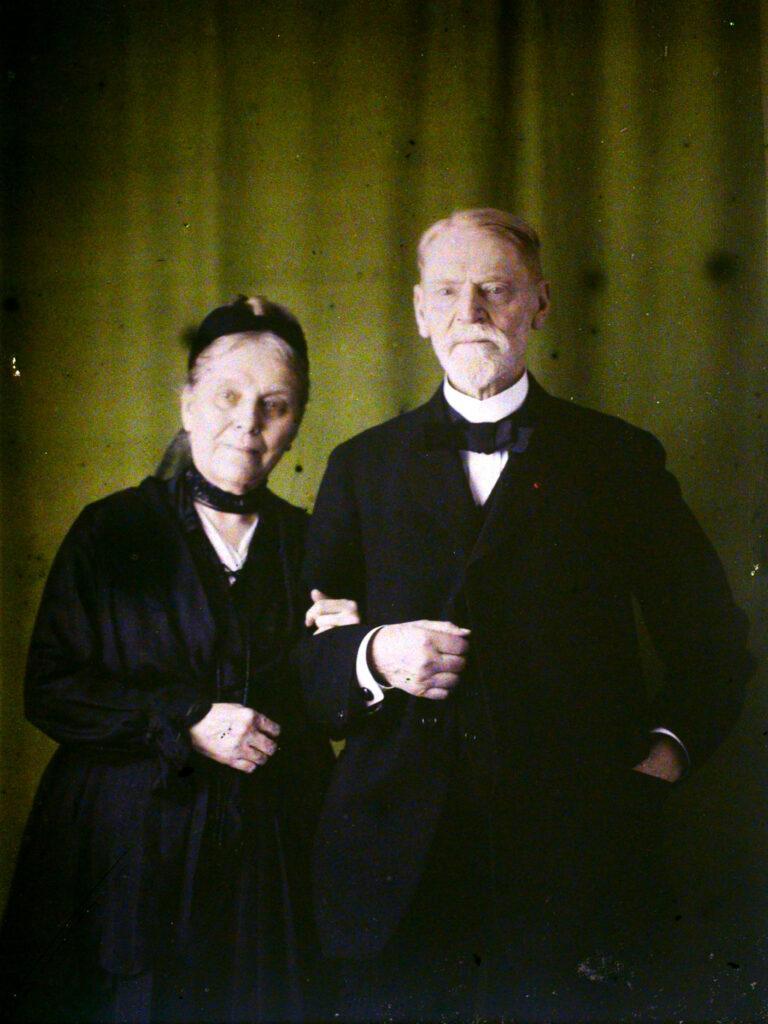
Julie Puaux Siegfried was born in Luneray in 1848 into a Protestant bourgeois family from Normandy. The couple had six children, among them André Siegfried, the sociologist and member of the Académie française. While her husband was in Le Havre, Julie Siegfried devoted herself to local charitable works concerned with the protection of women and children. She became acutely aware of the ravages of alcoholism, a cause against which she would campaign throughout her life.
When Jules Siegfried was elected deputy, the couple settled in Paris in 1886. Julie Siegfried became particularly concerned with the reception of young women arriving in the city in search of work: she encouraged the construction of hostels, homes, social clubs, and even holiday residences. She assisted Sarah Monod within the National Council of French Women, founded in 1901, and succeeded her as president, continuing her campaign in favour of women’s suffrage. She also served as vice-president of the International Council of Women.
Realising that women’s condition could not truly improve so long as they possessed no political influence, she supported the demand for voting rights. In the Chamber of Deputies, Jules Siegfried chaired the “Women’s Rights Group”, created in 1918. Ferdinand Buisson and others supported the movement. Yet post-First World War France did not grant women the right to vote until 1944.
During the Great War, Julie Siegfried was deeply involved in assisting Belgian refugees in Le Havre and Alsatians and Lorrainers who had been “deported” to France. She also founded the Office central de l’activité féminine. In 1919, in recognition of all the organisations she had founded, supported, or chaired, she was awarded the Légion d’honneur by Marguerite Korn, a postal workers’ trade unionist. Jules and Julie lost their son Ernest on the battlefield.