Education
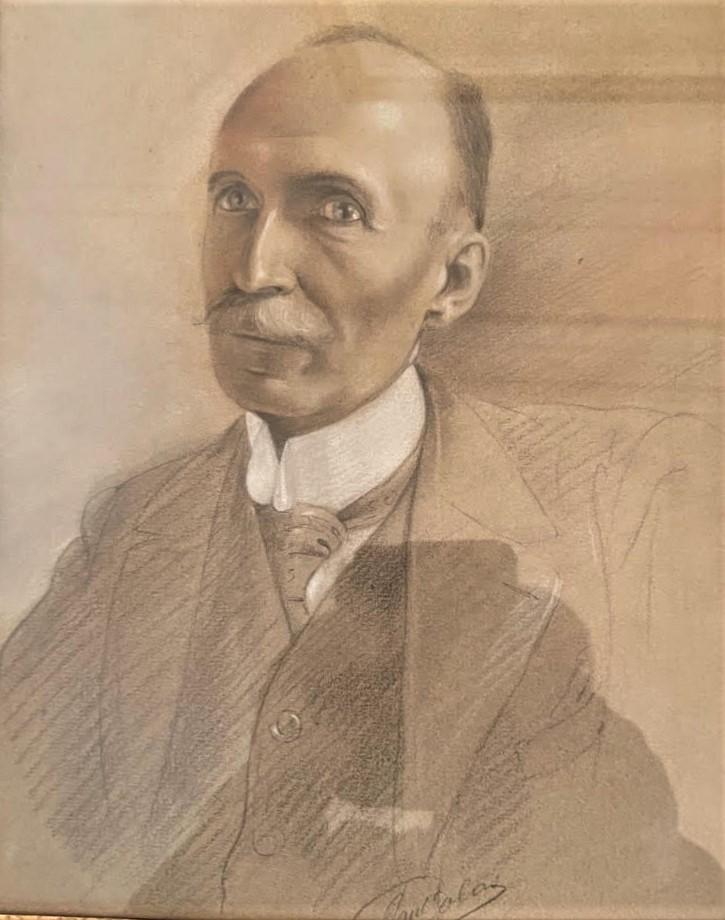
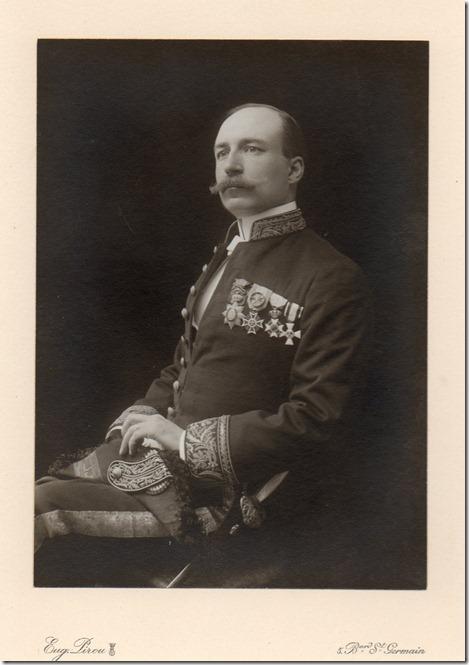
Jacques Seydoux was the grandson of Charles Seydoux (1796–1875), head of the senior branch of the Seydoux family. He was born in Pau into a Protestant family of Swiss origin; his father, Auguste, a diplomat, retired prematurely. He studied at the Faculty of Law and at the École Libre des Sciences Politiques, whereupon he graduated top of the competitive examination for the diplomatic service. He entered the Quai d’Orsay (Ministry of Foreign Affairs) at the age of twenty-three, in 1893.
From 1893 to 1898, he served as embassy attaché in London during a period of extreme tension with France, immediately preceding the Fashoda Crisis, in which the British compelled France to withdraw. He returned deeply impressed by British culture and way of life.
After two brief postings in Athens and The Hague, he was appointed embassy secretary in Berlin, where he remained from 1901 to 1905. There he observed the influence of banking and industry upon the formulation of German policy.
In September 1902, he married Mathilde Fornier de Clausonne, sole heiress of a Protestant merchant family from Nîmes ennobled in 1776. It was in Berlin that their son François was born, who would later serve for ten years as ambassador in that same post. In 1923, his children adopted their mother’s surname and henceforth became known as Seydoux Fornier de Clausonne.
Having returned to France, Jacques Seydoux was entrusted with the delicate affairs of Morocco following the Agadir Crisis (provoked by the dispatch of a German gunboat off Agadir in 1911).
In 1907, at the age of thirty-seven, he was afflicted by a severe deforming rheumatism which caused him intense suffering until his premature death in 1929.
His Economic Calling
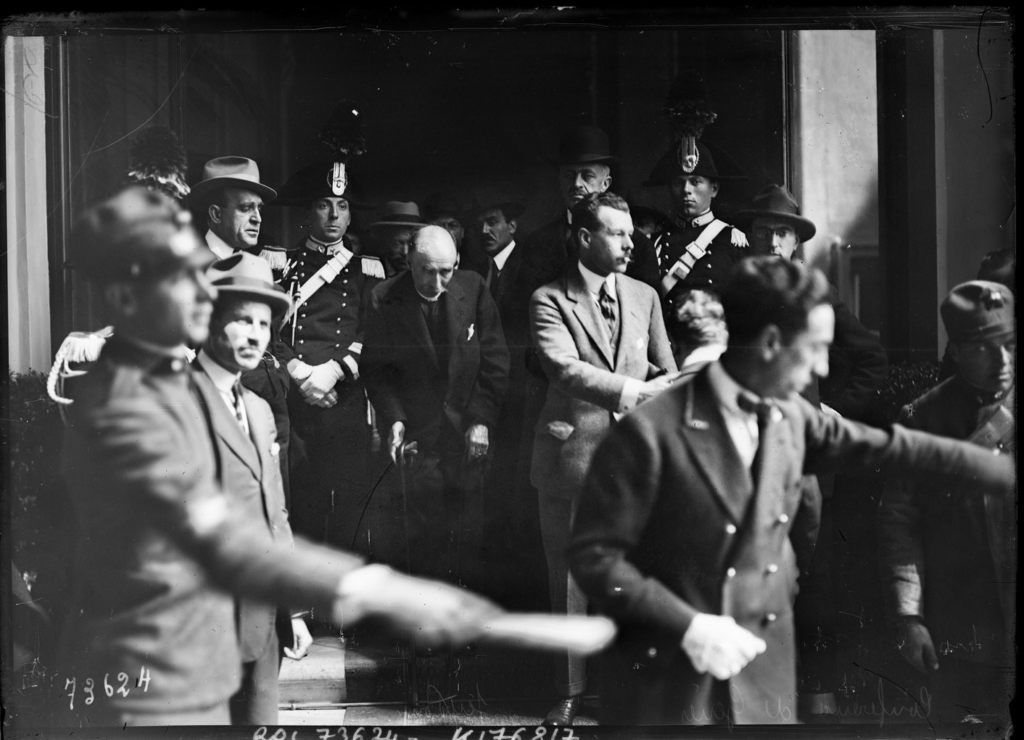
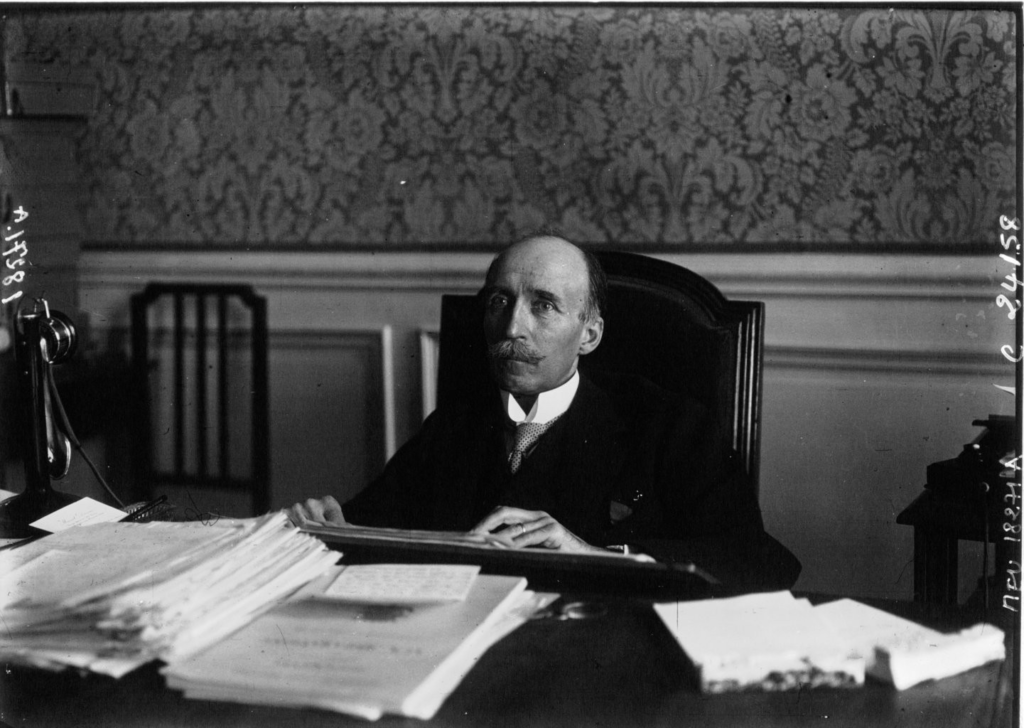
The war gave his professional life an entirely new direction. From March 1915 onwards, he served as the Quai d’Orsay’s representative to the Committee for the Restriction of Trade with the Enemy. He subsequently became head of department at the Directorate of the Blockade, deputy director at the Ministry of the Blockade and Liberated Regions, and finally representative of France on the Blockade Committee during the Peace Conference. In these various positions, he established himself as an indispensable expert in understanding economic and financial mechanisms; his opinions as a senior civil servant were sought by all the leading political figures of the age.
In May 1919, the ministry’s Secretary-General, Philippe Berthelot, created for him the Sub-Directorate of Commercial Relations, the first consideration of economic affairs within the responsibilities of the Quai d’Orsay. The task entrusted to him was immense: liquidation of the blockade, commercial exchanges, reparations, and inter-Allied debts. He was among the very few French officials to pay close attention to the countries of Central Europe and to the formidable issue of Austrian and Hungarian reparations.
He represented France at the inter-Allied conferences of Spa (July 1920), Brussels (December 1920), London (March and May 1921), Cannes (January 1922), Genoa (April–May 1922), and London (July–August 1924), where he was accompanied by his son François.
In seeking to resolve the problem of German reparations with fairness and sound judgement, and under conditions that would not crush the German economy, he demonstrated both moderation and imagination; yet he had to wait until 1924 before his views gained acceptance.
From Paris, Jacques Seydoux coordinated the entirety of the French occupation of the Ruhr, acting in this matter as the principal collaborator first of President Raymond Poincaré and subsequently of the Minister of Public Works, Transport and Supply, Édouard Herriot. Increasingly weakened by illness and in growing disagreement with the policies of Aristide Briand, President of the Council and Minister of Foreign Affairs, he brought his diplomatic career to an end in December 1926.
The Influencer
His new life in his apartment on Boulevard de Courcelles was extraordinarily active. He joined the board of directors of the Banque de Paris et des Pays-Bas; in February 1927 he was elected member of the Franco-German Committee for Information and Documentation; he also served as General Delegate of the Action Committee for the League of Nations.
He likewise became a journalist and published in numerous French, British, and German reviews. For Le Petit Parisien, one of the great newspapers of the time, he wrote a widely followed weekly column entitled Our Foreign Policy. At the end of 1926, he also founded Pax, an independent weekly devoted to international politics and economics, published in both Paris and Geneva.
Many aspects of his thought now appear prophetic: the importance of Franco-German relations, the primacy of economics over politics, and the gradual establishment of a European customs union. After years of suffering, he underwent a serious operation at the end of 1928 which confined him permanently to his bed, where he died on 26 May 1929 at the age of fifty-eight.
