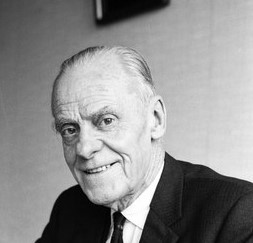
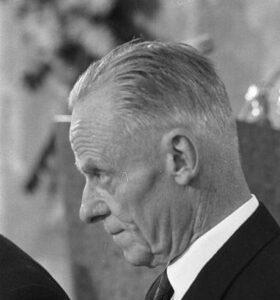
En 1937, une centaine d’Églises décident la création d’un Conseil œcuménique des Églises (COE). L’assemblée constitutive se réunit en 1938 mais, en raison de la deuxième guerre mondiale, le COE n’est constitué qu’en 1948 à Amsterdam, avec son siège à Genève. À partir de cette date, les conférences qui s’étaient constituées dès 1910 s’intègrent au progressivement COE. Celui-ci organise des assemblées plénières tous les sept ou huit ans, tandis que le nombre de ses Églises membres augmente avec l’admission d’Églises du Sud. Les secrétaires généraux jouent un rôle important. Willem Visser’t Hooft, qui a participé à la création du COE, en est le premier secrétaire général. Le COE est au départ essentiellement protestant, bien qu’il ait suscité très tôt l’intérêt des Églises orthodoxes. L’Église catholique ne fait pas partie du COE mais participe à certains de ses travaux.
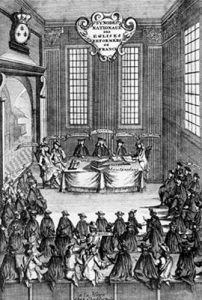
Au début du XX e siècle, de nombreux rapprochements et regroupements d’Églises protestantes ont lieu, notamment en France où il existait une grande diversité d’Églises. Ainsi, à partir de 1905, la Fédération protestante de France se propose de rassembler la plupart des Églises et associations protestantes. Par ailleurs, en 1938, une grande partie des Églises réformées se regroupent dans l’Église réformée de France (ERF). En 2013, après un rapprochement des Églises luthériennes et réformées en Alsace et en Moselle, l’ERF et l’Église évangélique luthérienne de France s’unissent pour former l’Église protestante unie de France.
-
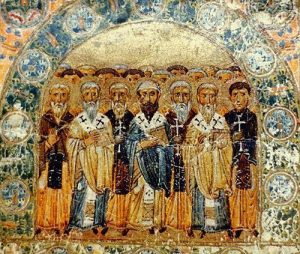
The Ecumenical involvement
of Christianity -
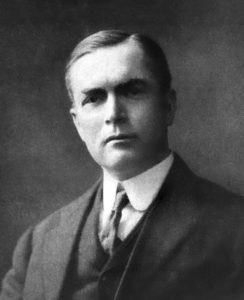
The World Christian Student Federation (WCSF)
-
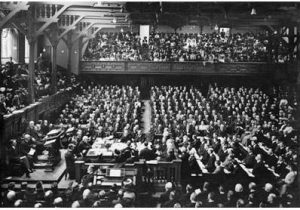
The 1910 World Missionary Conference, which was held
in Edinburgh -
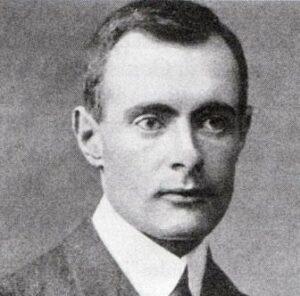
The International Missionary Council
-
The World Council of Churches
-
The Assemblies of
the World Council of Churches
since 1948 -
General Secretaries
of the World Council of Churches -
Willem Adolph Visser’t Hooft (1900-1985)
-

The French Protestant Federation (FPF)
-
French Reformed Church