Protestant education
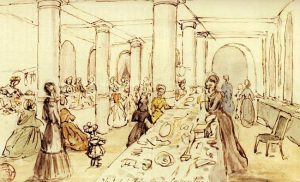
The history nineteenth century education is known for the profound changes in its government organization ; and these changes affected the influence it had. Fundamental laws went into effect and new...
Kindergarten schools
In the nineteenth century, the importance of the child’s individual character was first discovered. This was mostly due to the influence of J-J. Rousseau, for whom education at its best...
The vocational schools
Under the Second Napoleonic Empire, the Protestants were partly responsible for the growing number of vocational schools.
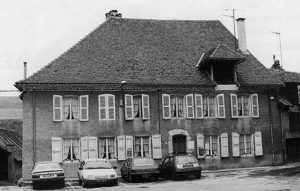
The training of school teachers
From early on, the Protestant community took the initiative to train schoolteachers, both at local and national levels.
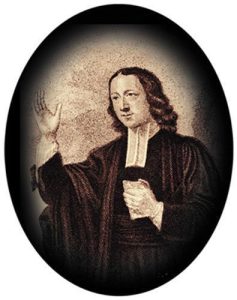
Methodism
Pietism
Pietism developed in a Germany ruined by the Thirty Years War (1618-1648). Its founders considered that the two orthodox churches, both Lutheran and Calvinist, had become lifeless institutions with little...
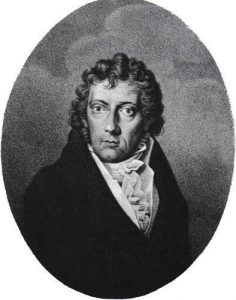
Friedrich Daniel Ernst Schleiermacher (1768-1834)
This German theologian has had a considerable influence on XIXth century European Protestantism. His main concern was not that Christianity should not be separated from culture.
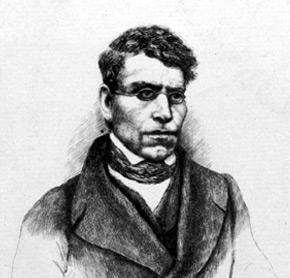
Alexandre Vinet (1797-1847)
For almost a century, the writings of Swiss theologian Alexandre Vinet had a major influence on French-speaking Protestantism.
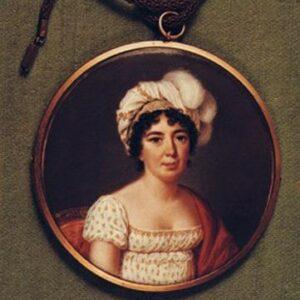
Germaine de Staël (1766-1817)
Germaine de Staël was a major figure of the pre-romantic period and was herself already a true romantic in outlook. Due to her political standpoint she had to flee several...
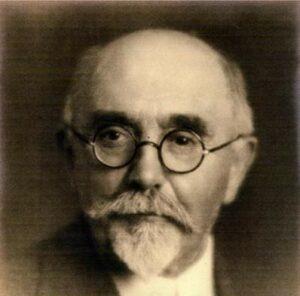
Raoul Allier (1862-1939)
Professor of philosophy, Raoul Allier gets involved in Social Christianity, in the Dreyfus affair, in the preparation of the law of the Separation of Churches and State, in inciting Protestants...
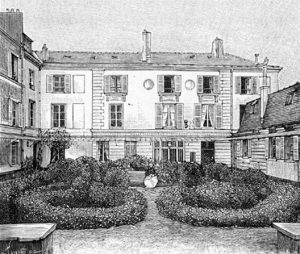
Henriette André-Walther (1807-1886)
She was the daughter of Major General Count Frédéric-Henri Walther. She married Jean André, was the mother of Alfred André, and one of the prominent figures in French high society.
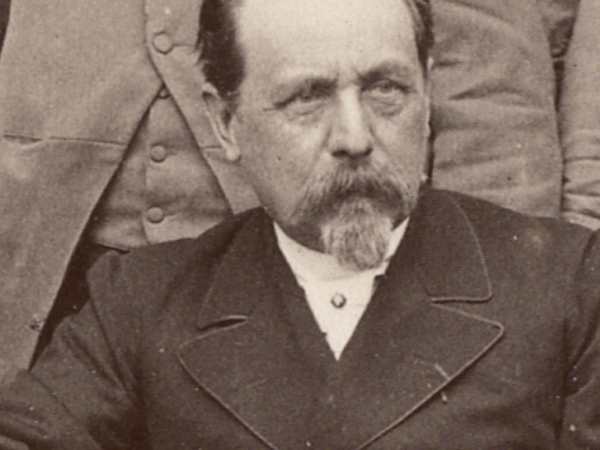
Jean Théodore Beck (1839-1936) and the special circumstances of the Ecole Alsacienne
Beck was one of the most striking personalities of the Ecole Alsacienne which he directed from 1891 to 1920.
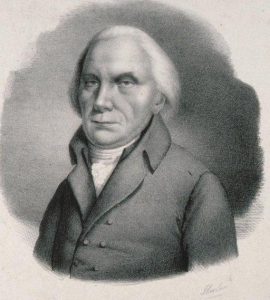
Jean Laurent Blessig (1747-1816)
This university teacher tried to match traditional Lutheran principles with the theses of the Aufklärung in order to justify an evangelical faith with arguments drawn from Reason and put it...
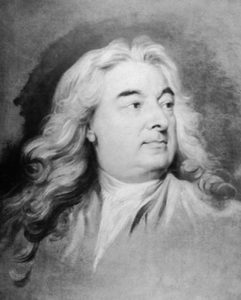
François Boissy d’Anglas (1756-1826)
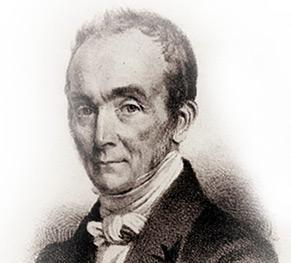
Ami Bost (1790-1874)
Ami Bost is considered as one of the best-known advocates of the Revival Movement. He was feared by those who opposed him because of his “bad temper” and his flair...
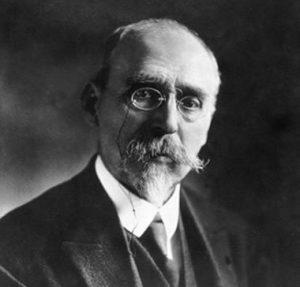
Ferdinand Buisson (1841-1932)
One of the main inspirers of school legislation of the third republic, Ferdinand Buisson was a French politician in favour of laity, co-founder and president of the Human Rights League,...
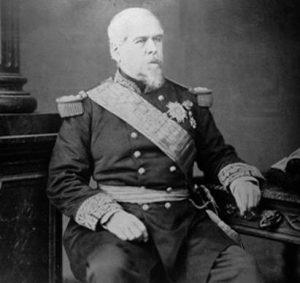
François Henri Ernest Chabaud-Latour (1804-1885)
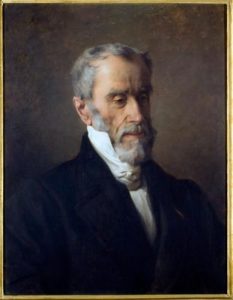
Gustave Fornier de Clausonne (1797-1873)
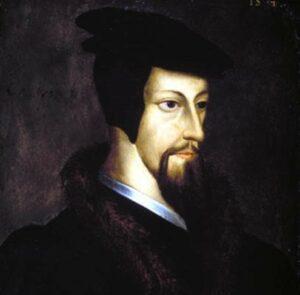
Portraits of Calvin
Very few portraits were painted in his lifetime. In fact, most paintings portraying him were done in the XIXth century.
