Picardy, Land of Great Reformers
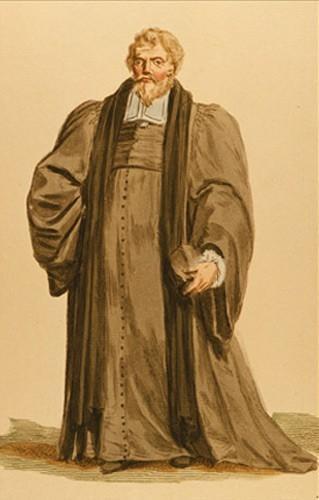
As early as 1523, Louis de Berquin (1490–1529), a friend of Erasmus and translator of Lutheran treatises, was preaching the Reformation at Amiens. Though protected by Francis I, he was nevertheless burned alive in Paris, at the Place de Grève.
Protestant churches were established from the sixteenth century onwards in Amiens and Montdidier, evangelised by Guy de Brès, a Belgian stained-glass painter from Mons (Belgium), who composed a confession of faith approved by Calvin and Theodore Beza.
Around 1525, in Upper Picardy, or Thiérache, Reformed ideas appeared in the village of Landouzy (Aisne), brought back by peasants who had gone to reap the harvest in the region of Meaux.
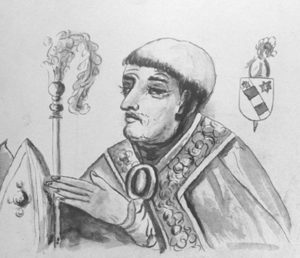
Guillaume Briçonnet, former abbot of Saint-Germain-des-Prés and later Bishop of Meaux, had summoned Lefèvre d’Étaples and Farel to join him in forming the Circle of Meaux.
Saint-Quentin
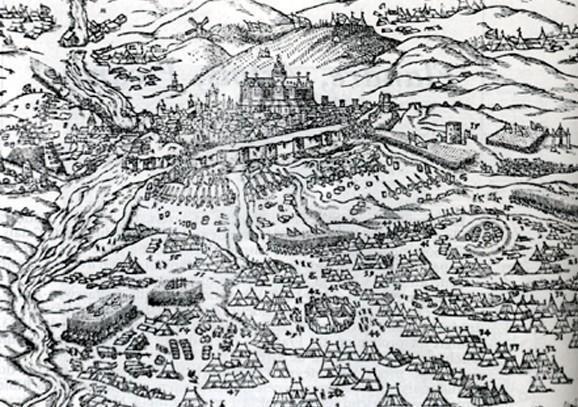
In 1557, Coligny led a heroic siege against the Spanish army, an event commemorated by a memorial monument. Taken prisoner, he then definitively converted to Protestantism.
In the Aisne, a Reformed Church supported by the House of Croÿ was established around 1565 at Montcornet, another at Parfondeval, and a third at Chauny.
From 1570 onwards, Reformed families from Laon emigrated to Geneva, and by the eighteenth century only a few Reformed communities remained in Picardy, centred around Amiens, Montdidier, and Saint-Quentin.
Noyon
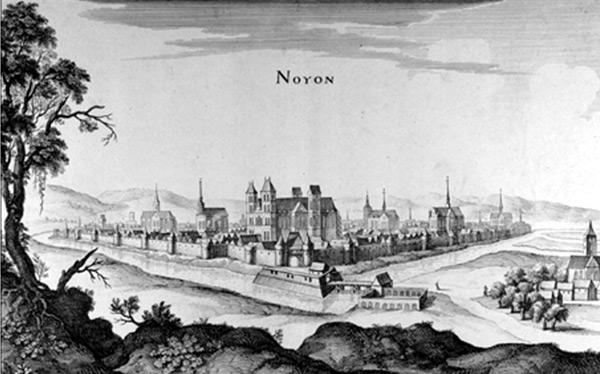
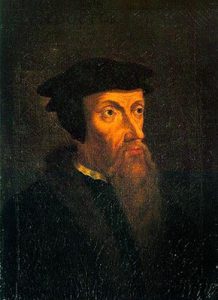
Noyon is a place of remembrance of Calvin (1509–1564), father of the Reformation in France.
On the site of his birthplace, destroyed at the end of the sixteenth century, probably by the League, stands a recent building reconstructed identically after the First World War, which houses the Calvin Museum.
In the vicinity of Noyon, the village of Pont-l’Évêque, on the banks of the Oise, is the place of origin of the Calvin family, who were boatmen.
The Cistercian Abbey of Ourscamp
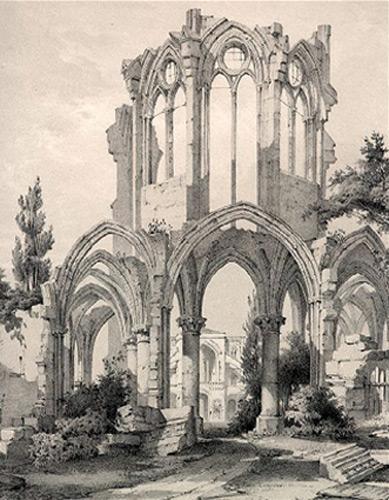
Not far from Pont-l’Évêque rises the Abbey of Ourscamp, with its majestic ruins. It was frequented by the young Calvin.
Amiens
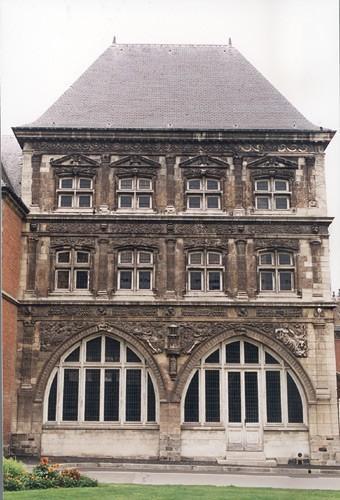
In Amiens, in the square of the law courts, the sculptures of the House of the Archer evoke its owner, a Huguenot cloth merchant and alchemist.
In the seventeenth century, approximately 15,000 Reformed believers remained in Picardy, originating from Amiens, Montdidier, Saint-Quentin, and Compiègne.
Worship, though not authorised by the Edict of Nantes, was nevertheless held at Guise, Chauny, and Crépy-en-Laonnois.
Abbeville, a Cloth-Making Town
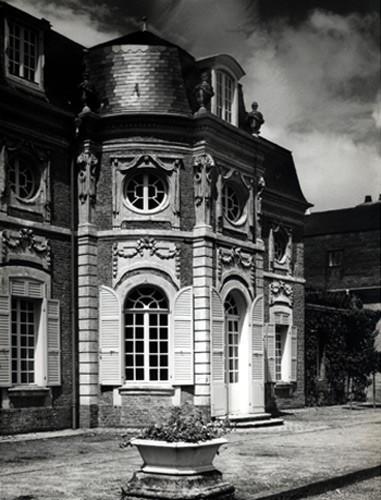
Abbeville prospered thanks to the Van Robais family, Dutch Protestants who, at the request of Colbert, founded there in 1665 the Royal Manufactory of Fine Cloth. Even at the time of the Revocation, the Van Robais were not troubled. Their townhouse at 22 Rue Lesueur, the manufactory (or Hôtel de Rames), and their Château de Bagatelle still survive.
Protestant Castles of Picardy
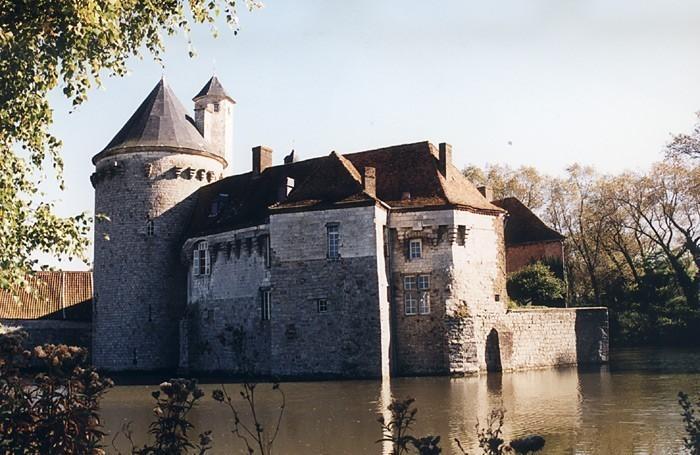
Numerous castles in Picardy bear witness to the adherence of the provincial nobility to the Reformation:
– the Château of Olhain (Pas-de-Calais), built in the fifteenth century by the Berghes of Olhain
– the Château of Rambures (Somme), a masterpiece of military architecture
– the Château of Poireauville near Saint-Valéry-sur-Somme
– the Château of Picquigny, belonging to the former vidames of the bishop who became Protestants; for a time both forms of worship were held there, one in the château, the other in the chapel
– the Manoir du Quesnel (Pas-de-Calais)
– the Château of Bernâtre, which preserves the only temple to have escaped destruction at the time of the Revocation
After the Revocation, the memory of Desert assemblies is preserved at Hesbécourt, near Roisel in the Somme, where Claude Brousson came to preach at the peril of his life. In the midst of the fields, a memorial has been erected by the S.H.P.F., the ‘Monument of the Pebble Box’.
Small, scattered Protestant communities survived the Revocation. When Jean de Vismes undertook a census of Picardy in 1803, he still counted 1,600 faithful.