Tolerated
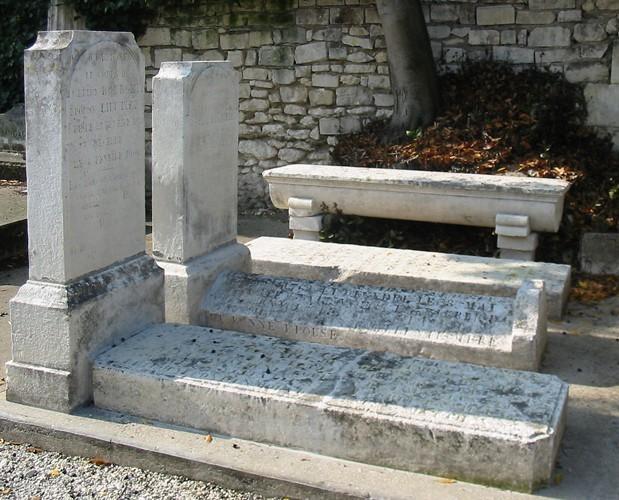
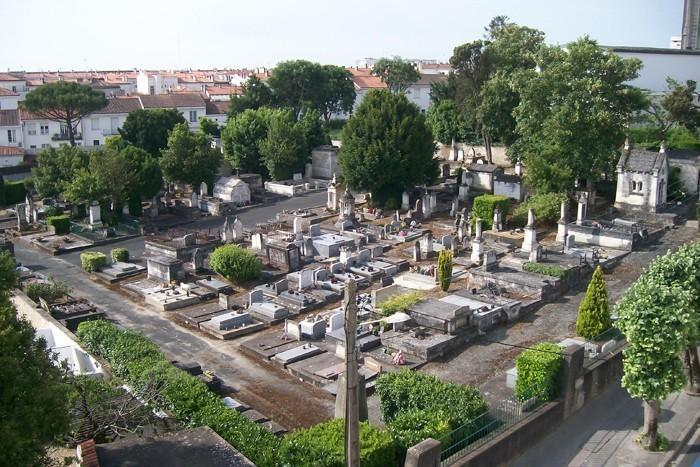
The issue of burying Protestants arose as soon as the Reformation was deemed heretical by the Catholic Church: as parish cemeteries were “holy places” with canonical status, having received an initial blessing, the burial of a Protestant became impossible, regardless of their social rank. Even notables who had become Protestants could no longer join their ancestors in the family chapel or in the vault beneath the nave of the church. Ordinary cemeteries being forbidden to them, Protestants had to organise themselves differently and create specific cemeteries.
Within these early Protestant cemeteries there are no tombs, no distinctive signs of burial, just as in all cemeteries of the time. What distinguishes these cemeteries from Catholic ones is therefore their location, with no link to a place of worship. The Edict of Nantes generalised this separation in death, with the aim of civil peace: separated but equal.
Forbidden
The Revocation of the Edict of Nantes in 1685 outlawed Protestant worship: excluded from public office and from their temples, Protestants were also excluded from their cemeteries. The Royal Council’s instructions were clear: “His Majesty does not wish there to be any designated place for the burial of those of the said religion, and anyone may have them buried wherever they please.” Royal ordinances further required that they be buried at night and without a gathering.
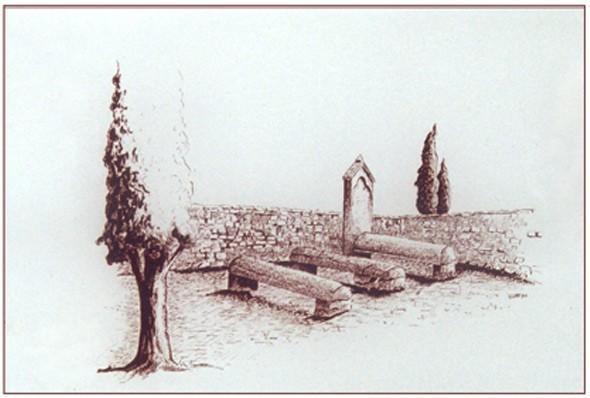
During the long years of the Désert, Protestants who refused to convert buried their dead clandestinely, “in the fields”, in land belonging to the deceased’s family (which merely confirmed Catholics’ disgust towards this “distorted religion”).
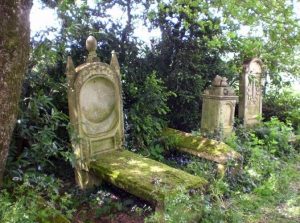
Thus was born the tradition of family cemeteries: a few graves in a garden, a meadow, or an uncultivated plot, either enclosed or not. Cemeteries out in the open countryside, far from dwellings, seem to have been enclosed from the outset, while those near houses were more often open. Regions with a high Protestant population density are literally dotted with such cemeteries, with cypress trees marking graves near the mas (farmsteads).
From around 1760, a degree of tolerance emerged, and Reformed communities were able to reaffirm their faith publicly. They founded new cemeteries—Royan in 1761, Nîmes in 1779. But it was not until the Edict of Tolerance of 1787 that the civil existence of Protestants was officially recognised. It stipulated that towns and villages must have “a suitable and decent piece of land” for the burial of those denied ecclesiastical sepulture.
Authorised
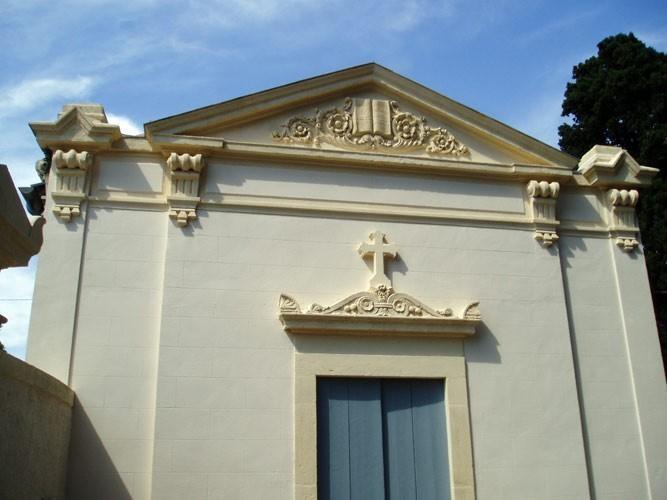
Once the turmoil of the Revolution had passed, Bonaparte definitively restored religious freedom and equality of worship within the framework of the Concordat and the Organic Articles of 1802. The new legislation organised the existence of Protestant cemeteries.
The decree of 23 Prairial, Year XII (12 June 1804), stipulated: “In communes where several faiths are practised, each faith must have its own burial ground; and if there is only one cemetery, it shall be divided by walls, hedges, or ditches into as many parts as there are different faiths, with a separate entrance for each, and with the spaces allocated proportionally to the number of inhabitants of each faith.”
The Protestant cemetery of Montpellier opened in 1809 under these regulations.
The Present Diversity
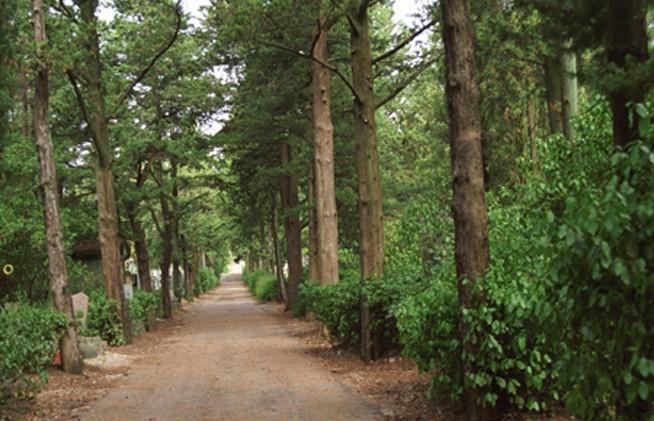
This turbulent history explains the three types of Protestant cemeteries found today in France:
- Large Protestant cemeteries in regions with a strong Protestant minority: Nîmes, Royan, Montpellier, Castres, Mazamet. Owned by the Churches, these cemeteries have remained private and therefore were not secularised during the 1881 separation of cemeteries. As for secularised municipal cemeteries, they have not always applied the new legislation: separation of the Protestant section persists, and Protestant families continue the custom of being buried there.
- Family cemeteries in regions where Protestants were not admitted to Catholic cemeteries: Charente-Maritime, Deux-Sèvres, Vendée, the Cévennes.
- Protestant sections within municipal cemeteries: despite the 1881 secularisation, many municipal cemeteries did not strictly apply the new legislation; the separation of the Protestant area persisted, and Protestant families have maintained the habit of being buried in that section (Vaucluse, Gard, Hérault…).
Alsace-Moselle, annexed by the German Empire in 1871 and returned to France in 1918, did not experience this secularisation legislation and therefore retained the Napoleonic organisation of cemeteries divided by religious denomination: municipal cemeteries with a Protestant section still exist.