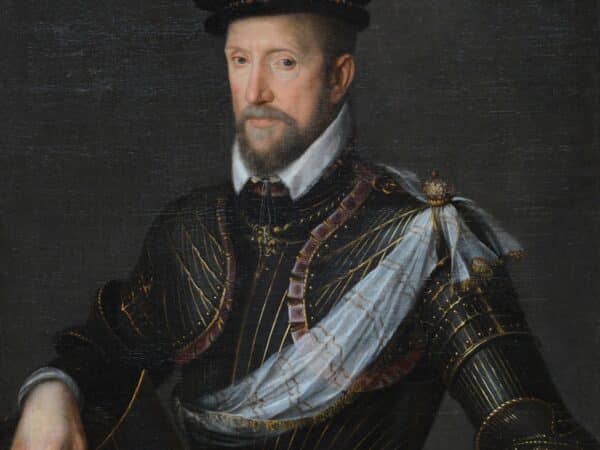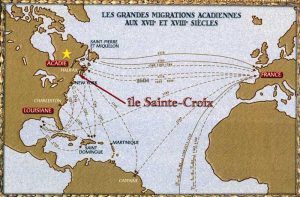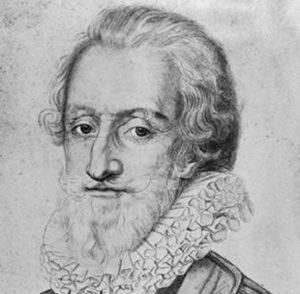
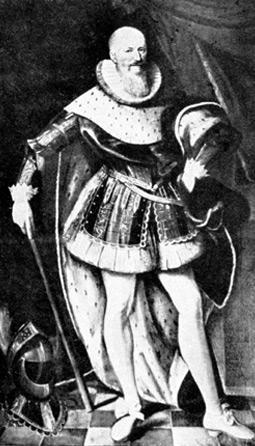
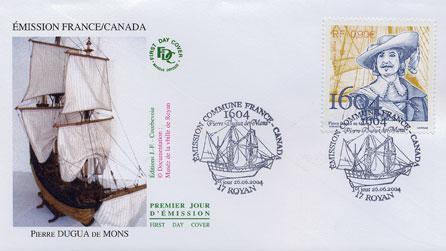

Already Admiral Coligny had sought to establish refuges for Protestants by founding settlements in Florida and South Carolina around 1560. Following the failure of these early French ventures, Henry IV revived this attempt at colonisation further north in Acadia, primarily for commercial purposes. In 1603, he appointed the Protestant gentleman Pierre Dugua de Mons as Lieutenant General of Acadia, granting him a monopoly over the fur trade with the Indigenous peoples.
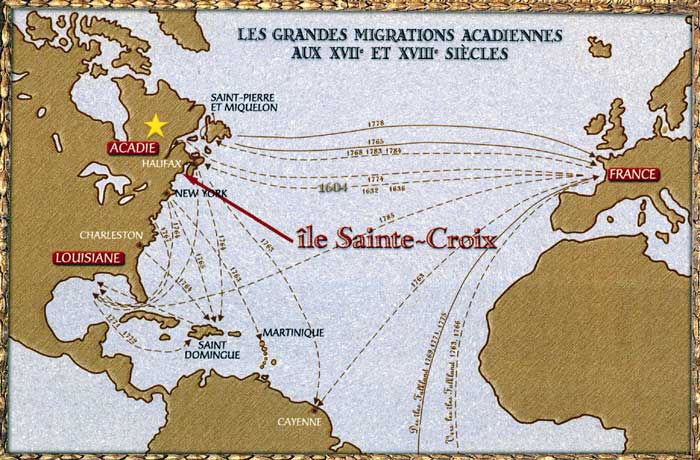
Dugua de Mons established bases on Saint Croix Island and subsequently at Port-Royal.
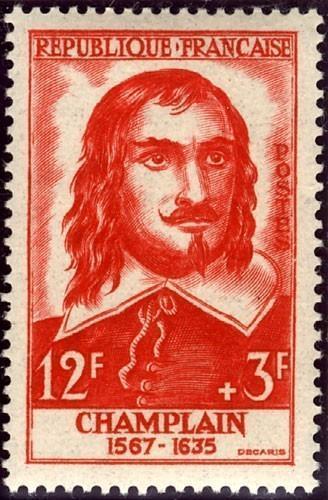
At the beginning of 1608, he dispatched Champlain, the “royal cartographer”, to explore the banks of the St Lawrence River. There, Champlain founded the city of Québec.
Sully, for his part, was not in favour of northern colonisation, and this French settlement struggled to survive owing to climatic difficulties as well as religious discord among the settlers.