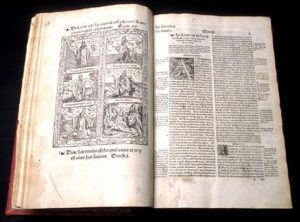
A Turning Point in the History of Thought
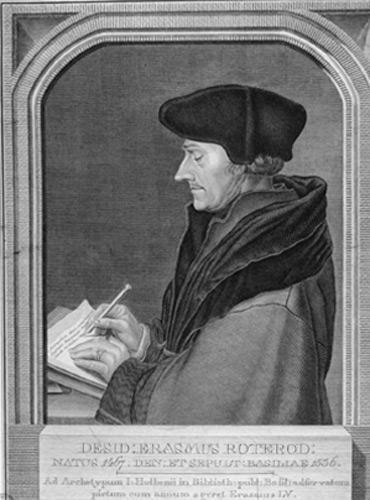
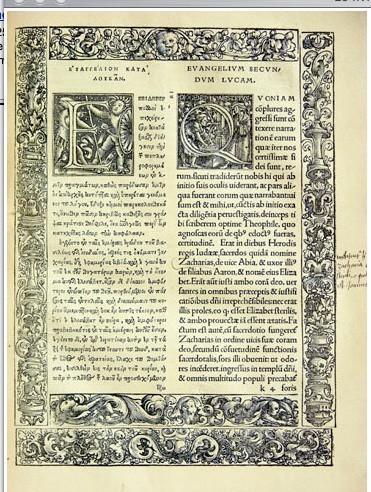
This vast cultural movement marks a decisive turning point in the history of thought and mentalities. Originating in Italy as early as the fourteenth century, it flourished during the fifteenth century and spread throughout Europe from the sixteenth century onwards. The Renaissance is characterised by:
- humanism, which advocated a return to the sources of Greco-Roman antiquity and the study of ancient texts;
- the abandonment of medieval thought: the disappearance of a certain fixed image of a defined world, untouched by the action of time;
- the emphasis placed on humankind, positioned at the centre of the universe.
A Thirst for Discovery and Knowledge
The Renaissance stimulated:
- financial, commercial, and economic expansion linked to the great Discoveries (America in 1492, the Cape of Good Hope in 1488, and India reached by Vasco da Gama in 1498);
- the scientific revolution, particularly in the field of astronomy with Nicolaus Copernicus;
- the development of the visual arts, shaped by a return to nature and precise observation;
- greater openness in the fields of philosophy and literature;
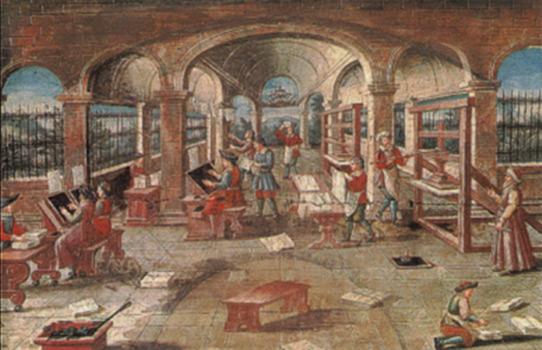
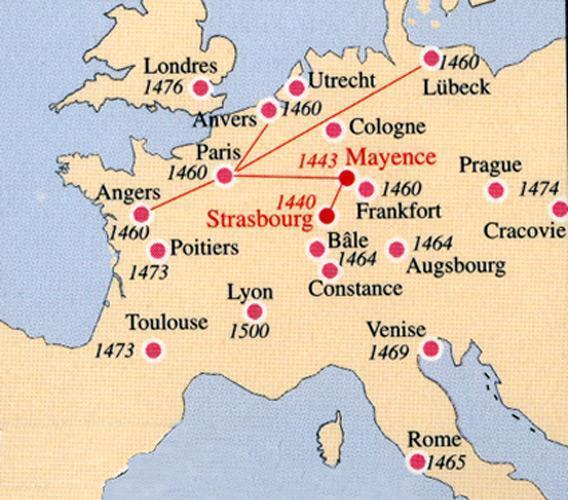
- the invention of the printing press.
From the Renaissance emerged the modern State.