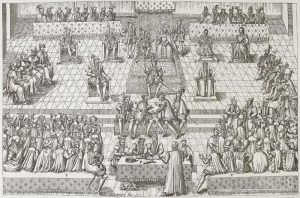
Les états généraux d’Orléans (décembre 1560 – janvier 1561)
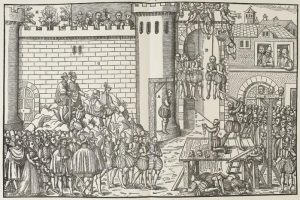
Les exécutions d’Amboise (mars 1560)

The Burial Places of Protestants
Protestant cemeteries developed following the various phases in the history of the Protestant minority.
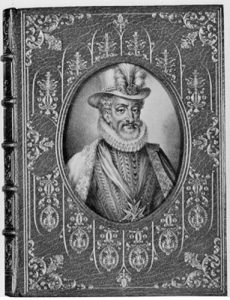
In the family tree of Henry IV

Henri’s youth
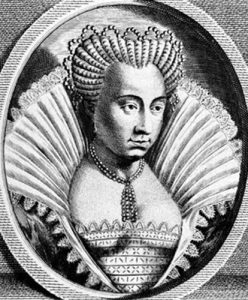
The two wives of Henry IV
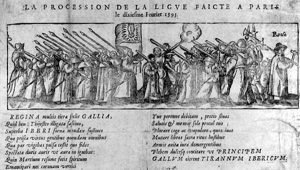
Henry III of Navarre became King of France during the Wars of Religion
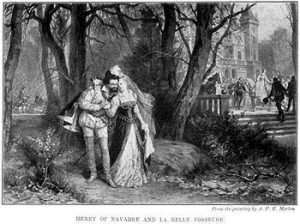
Two mistresses
Among the numerous mistresses of the “Green Gallant”, two were of particular significance to him.
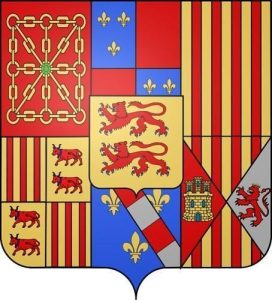
Henry, King of Navarre
Henry, who became King of Navarre under the title Henry III of Navarre following the death of his mother on 9 June 1572, married Marguerite de Valois, sister of King...

Colonial policy under Henry IV: religious and commercial objectives
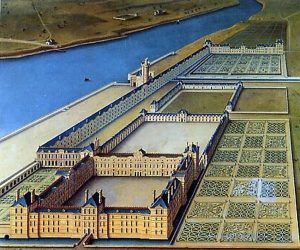
Architecture under Henry IV
The accession of Henry IV to the throne of France marked a period of internal calm following several decades of civil unrest linked to the Wars of Religion. The restoration...
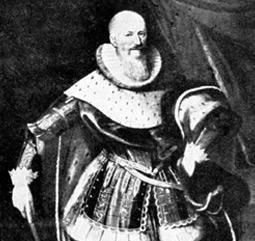
Henry IV’s entourage
From his youth and throughout his reign, Henry IV surrounded himself with men of strong character, most of whom, remaining faithful to the Reformed faith and rose to the highest...

Sébastien Castellion, apôtre de la tolérance au XVIe siècle
Qui est Sébastien Castellion ?
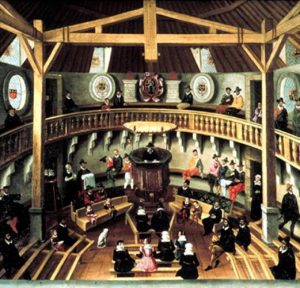
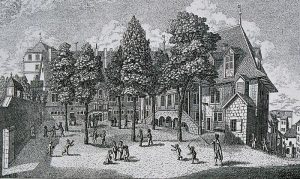
Lyon, intérieur du Temple de Paradis (1564)
C’est l’un des principaux temples du XVIe siècle et l’un des rares dont nous avons une représentation.

Biographie de Sébastien Castellion
Apôtre de la tolérance au XVIe siècle.

L’humaniste

La traduction de la Bible
Castellion consacre dix ans de sa vie, entre 1540 et 1550, à la traduction de la Bible, à partir du grec et de l’hébreu, en latin d’abord (parue en 1551),...
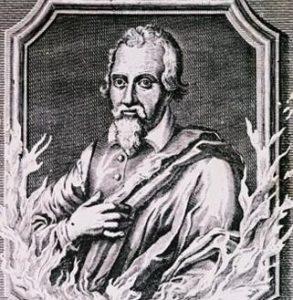
Les combats de la tolérance, contre le scandale de la violence religieuse
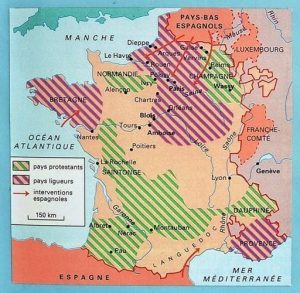
Effervescence religieuse en Europe
Le pédagogue
À 26 ans, en 1541, à Genève où il suit Calvin, il devient « régent et maître d’escolle » au collège, où jusqu’en 1544, il va se passionner pour la formation...