Meaux
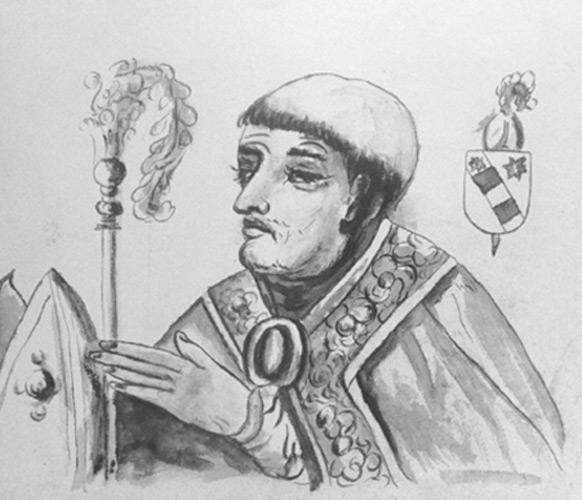
At Meaux: the first church ‘established’ in France according to the precepts of Calvin
Appointed Bishop of Meaux in 1518, Guillaume Briçonnet, former Abbot of Saint-Germain-des-Prés, undertook to reform his diocese. He summoned Lefèvre d’Étaples (1520), who founded the Circle of Meaux with his disciples, including Guillaume Farel. Lefèvre d’Étaples’s Commentaries on the Gospels were printed by Simon de Collines
In 1525, Briçonnet, by order of the Sorbonne, was compelled to dissolve the Circle of Meaux, some of whose members took refuge in Strasbourg.
In 1546, the Reformed community of Meaux numbered 400 faithful. Forty of them, gathered for worship, were arrested; their trial took place in Paris—fourteen were brought back to Meaux and burned in the market square (plaque in the present temple).
In 1562, Louis I de Condé organised his first military action following the Massacre of Wassy. The nobility of Brie adhered en masse to the Reformation.
On the eve of the Wars of Religion, the Protestant community comprised several thousand faithful, chiefly peasants and artisans.
Their places of worship were at Chermont, near Nanteuil-lès-Meaux (whose temple was demolished in 1685), Montceaux-lès-Meaux, Lizy-sur-Ourcq, Chalendos, Bois-le-Roi, and Fontainebleau.
The Château of Montceaux-lès-Meaux
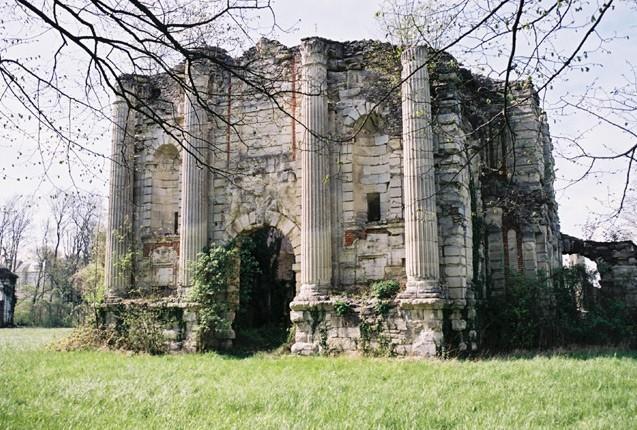
It belonged to Catherine de’ Medici. Henry II had François d’Andelot, brother of Admiral Coligny, brought before him there, had him arrested, and imprisoned in the Château of Melun.
In 1567, Condé, planning to seize the young King Charles IX, Catherine de’ Medici fled hastily from Montceaux-lès-Meaux and took refuge in Paris.
The Château of Condé-en-Brie
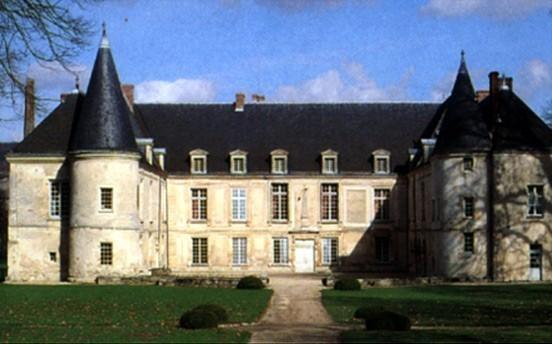
The Château of Condé-en-Brie was built in the sixteenth century for Louis I of Bourbon, Prince of Condé, uncle of Henry IV, who was the first of the Condé line.
The Tower of the Benedictine Abbey of Jouarre
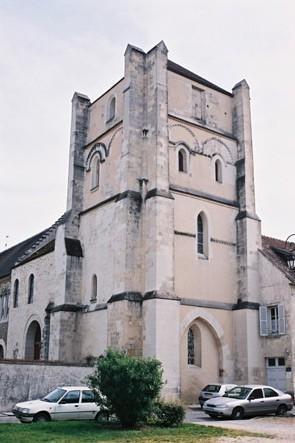
It preserves the memory of Charlotte de Bourbon-Montpensier, abbess against her will at the age of thirteen (1559). She fled on account of religion in 1572, took refuge at Sedan, then at Heidelberg with the Elector Palatine, and subsequently married William of Orange, a Protestant. Upon her death (1581), he remarried Louise de Coligny, daughter of the admiral. Charlotte de Bourbon was the niece of Jeanne d’Albret and the ancestress of Marshal Turenne.
Catholic Church of Claye-Souilly
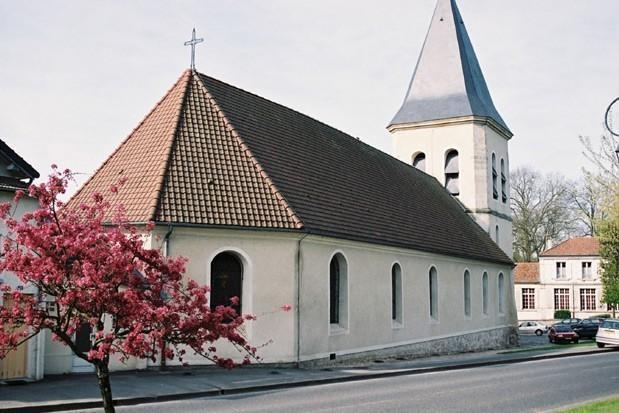
It served as a temple in the fifteenth century. A provincial synod was held there in 1601.
The Château of Chalendos
Only ruins remain of this château, whose chapel served as a place of worship.
The Tower of Lumigny
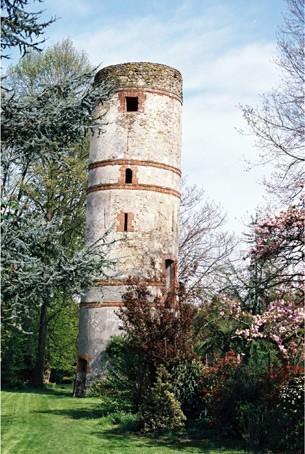
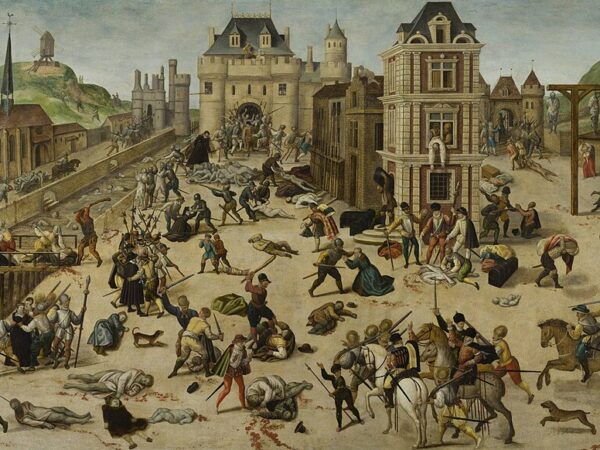
The tower in which those who plotted the St Bartholomew’s Day Massacre (1572) are said to have met is known as that of ‘Catherine de’ Medici’.
The Château of Blandy-les-Tours

It belonged to Jacqueline de Rohan, Marchioness of Rothelin. Her daughter, Françoise d’Orléans, married Louis I de Condé.
In 1567, Charles IX had the marchioness, her daughter, and her children arrested and detained in Paris.
In 1569, after the death of Louis de Condé at Jarnac, she withdrew to Blandy, where she died in 1587. At the church of Blandy took place the Huguenot marriage of Henri de Condé and Marie de Clèves shortly before the St Bartholomew’s Day Massacre.
The Château of Launoy-Renault

It belonged to the Protestant Bauveau family. The chapel was used for Reformed worship until 1685. The château was a meeting place for Huguenot lords.